Don't Get Burned: How to Tell Real Vintage Sneakers from Clever Fakes
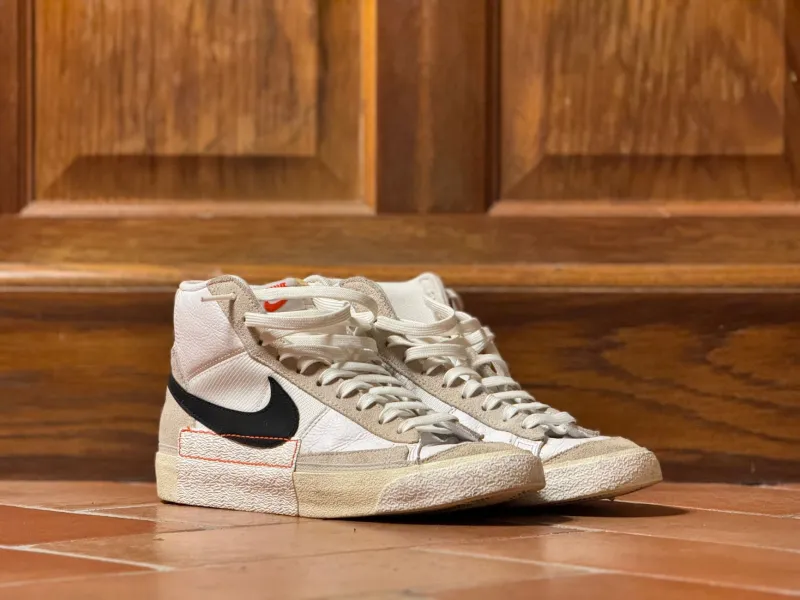
Let's be honest: there's nothing quite like scoring a clean pair of vintage Air Jordans, original Nike Dunks, or a deadstock Reebok Classic that's been sitting untouched since the early '90s. The thrill is real. But so is the risk. The counterfeit sneaker industry has gotten frighteningly good at mimicking the look, feel, and even the smell of authentic vintage kicks — and if you're shopping the resale market without knowing what to look for, you could end up paying premium prices for a pair of very convincing fakes.
Whether you're buying a pair for your own collection or picking something up to flip, authentication isn't optional. It's the whole game. Here's how serious collectors protect themselves — and how you can too.
Why Vintage Sneakers Are a Counterfeiter's Dream
New release sneakers get faked all the time, but vintage pairs bring their own unique set of challenges. Original molds, vintage colorways, and discontinued materials are harder to replicate — but that doesn't stop people from trying. In fact, some counterfeiters specifically target older models because buyers assume that if a shoe looks aged, it must be real. That's a dangerous assumption.
High-demand models like the Air Jordan 1, Nike Air Max 95, Adidas Superstar, and Converse Chuck Taylor All Stars from specific decades command serious money on the resale market. Where there's serious money, there are serious fakes.
Start With the Seller, Not the Shoe
Before you even zoom in on the stitching, take a hard look at who's selling. On any resale platform — including Buy It Again Sports — a seller's history tells you a lot. How long have they been active? Do they have reviews? Are those reviews consistent and detailed, or do they look generic?
Watch out for sellers who:
- Have little to no transaction history
- Only post one or two blurry photos
- Refuse to provide additional images on request
- Can't explain where the shoes came from
- Price the shoes significantly below comparable listings
That last point is huge. If a pair of deadstock Air Jordan 3s from 1988 is listed for $180 when comparable pairs are selling for $800+, something is off. Deals exist, but unicorn deals on high-demand vintage sneakers are rare. Trust your gut when a price feels too good.
The Physical Checklist: What to Look For
Once you're looking at an actual pair — either in person or through detailed photos — here's where the real detective work begins.
Stitching and Construction Authentic vintage sneakers, even after decades, tend to have clean, consistent stitching. Fakes often show uneven thread tension, skipped stitches, or stitching that doesn't quite line up with the panel seams. Request close-up photos of the heel, toe box, and any logo areas.
Logos and Branding This is where a lot of fakes fall apart. Check font weight, letter spacing, and logo proportions against verified reference images. A Nike swoosh that's slightly too thick or a Jordan Jumpman that's leaning the wrong direction are both red flags. Collector communities on Reddit (r/Sneakers and r/legitcheck are goldmines) have built enormous image libraries you can use for side-by-side comparisons.
Insoles and Tongue Labels Vintage shoes have era-specific tags and insole markings. The font styles, country of manufacture labels, and size formatting all changed over the years. If a pair is claimed to be from 1991 but the tongue label uses formatting that wasn't introduced until 1997, that's a problem. Cross-reference with documented examples from sneaker history databases.
Materials and Smell This one only works in person, but it matters. Authentic vintage leather has a particular feel — it ages in specific ways, developing creases and patina that fakes rarely replicate convincingly. Real rubber soles also oxidize differently than synthetic substitutes. Some experienced collectors even note that authentic vintage shoes have a distinct aged smell that's hard to fake (though this is admittedly more art than science).
Box and Accessories If the seller includes the original box, treat it as additional evidence rather than proof. Counterfeiters fake boxes too. That said, original boxes can be helpful — check the label font, barcode formatting, and color accuracy against documented originals from the same era.
Tools and Resources That Actually Help
You don't have to go it alone. The sneaker authentication community has built some genuinely useful tools.
- CheckCheck and Legit App are mobile apps that use AI-assisted analysis and human expert review to authenticate sneakers. They're not perfect, but they're a solid first line of defense.
- StockX's authentication model (even if you're not buying there) has published detailed guides on what their authenticators look for in specific models — worth reading.
- Sneaker News and Sole Collector maintain historical archives with original press photos and spec details.
- YouTube deep-dives from channels like Seth Fowler or Hypemaster Podcast offer side-by-side fake vs. real comparisons for specific models.
For high-value purchases, consider paying for a third-party authentication service before completing the transaction. Services like LEGIT (formerly Sneaker Con's authentication arm) will physically inspect a pair for a fee. On a $500+ purchase, that's money well spent.
A Note for Sellers: Authentication Helps You Too
If you're on the other side of this — selling a genuine pair of vintage kicks — investing in authentication documentation can meaningfully increase your asking price and buyer confidence. A pair of Nike Air Max 90s with a clean authentication certificate and original box commands more than the same pair listed with a single photo and no backstory.
Take the time to photograph every angle, document the provenance if you know it, and consider getting a professional authentication if the value justifies it. Buyers on Buy It Again Sports are savvy — show them you're serious and they'll reward you with faster sales and fewer lowball offers.
The Bottom Line
The vintage sneaker market is one of the most exciting corners of sports resale, and it's only getting bigger. But with big demand comes big risk. The collectors who win in this space aren't just the ones with the best eye for style — they're the ones who do their homework before they hand over their money.
Slow down, ask questions, use your resources, and never let hype rush you into a purchase you haven't properly vetted. Your investment — and your collection — will thank you.