Ghosts in the Rafters: How Stadium-Exclusive Gear Became the Most Obsessed-Over Collectibles in Sports
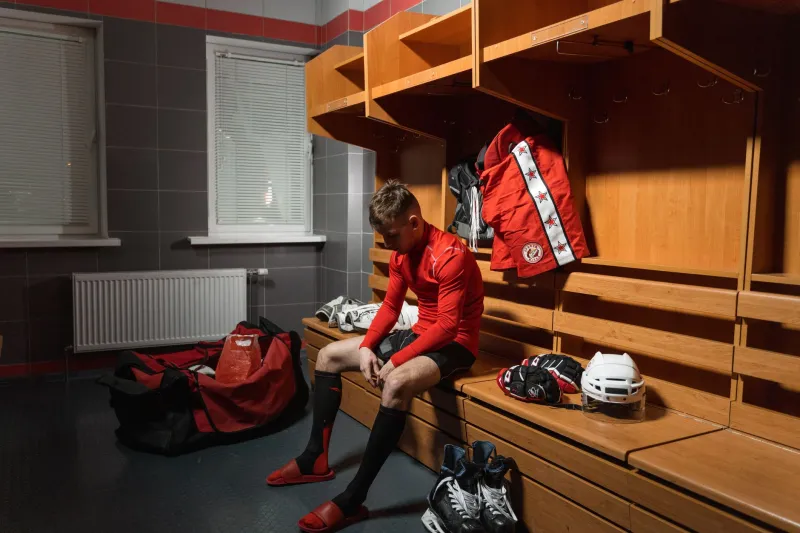
There's a subset of sports collectors who couldn't care less about autographs or rookie cards. What they're hunting for is a pennant sold only at the Kingdome, a zip-up hoodie that existed exclusively in the concourse of the old Chicago Stadium, or a commemorative tee printed for the final regular-season game at Veterans Stadium in Philadelphia. These aren't items you stumble across at a big-box sporting goods store. They were born in specific buildings, tied to specific moments, and — for the most part — nobody thought to preserve them.
That's exactly what makes them so compelling.
Why "Venue-Specific" Is Its Own Category Now
For a long time, stadium merchandise was treated like a paper cup — use it, toss it, forget about it. A foam finger from the Silverdome or a program from the last game at the old Busch Stadium wasn't considered an investment. It was a souvenir. Something you bought your kid to keep them occupied during the third quarter.
But time has a funny way of reclassifying things. Once those buildings came down — and dozens of iconic American arenas and stadiums have been demolished or gutted since the 1990s — suddenly the stuff that came out of them took on a different meaning. Fans who grew up watching games in those venues started actively seeking out physical proof that those places existed. And the secondary market responded.
Today, collectors specifically seek out merchandise that can be traced to a particular venue, a particular era, or even a particular game. The more verifiable the connection, the higher the value. A generic team hat from 1987 is worth something. A hat sold exclusively at Montreal's Olympic Stadium during the Expos' final homestand? That's a different conversation entirely.
The Detective Work Nobody Tells You About
Here's what separates a casual fan from a serious venue-gear collector: research. Serious buyers don't just look at a piece and decide it feels right. They dig.
Authentication in this niche is genuinely complicated. Unlike game-worn jerseys, which can sometimes be verified through team records or provenance documentation, stadium-exclusive merchandise rarely came with a paper trail. You're often working from:
- Vendor catalogs and game-day programs from the specific season in question
- Fan photographs taken inside the venue that show merchandise booths or fans wearing the item
- Collector community records, including forum archives and trade histories going back to early internet message boards
- Tag and label dating, which can place an item within a manufacturing window that either matches or contradicts the claimed era
Misspellings, color inconsistencies, and incorrect logos are common red flags for reproductions. A lot of "throwback" merchandise gets produced years after the fact and passed off as original. Knowing what fonts a team used in 1993, or which manufacturer held the licensing rights during a specific window, is the kind of granular knowledge that separates smart buyers from people who overpay.
The Venues That Drive the Most Interest
Not every demolished stadium commands the same collector energy. Some venues have become almost mythological in their absence, and the gear tied to them reflects that.
The Spectrum in Philadelphia consistently surfaces in collector conversations. The old Flyers and 76ers building had a distinct visual identity, and merchandise from its final seasons — especially anything tied to specific playoff runs — gets real attention.
Chicago Stadium, which closed in 1994, is another one. The building had a personality that United Center, for all its modern amenities, simply doesn't replicate. Collectors who remember the noise, the organ, and the championship banners in that original space are willing to pay accordingly for anything that connects them back to it.
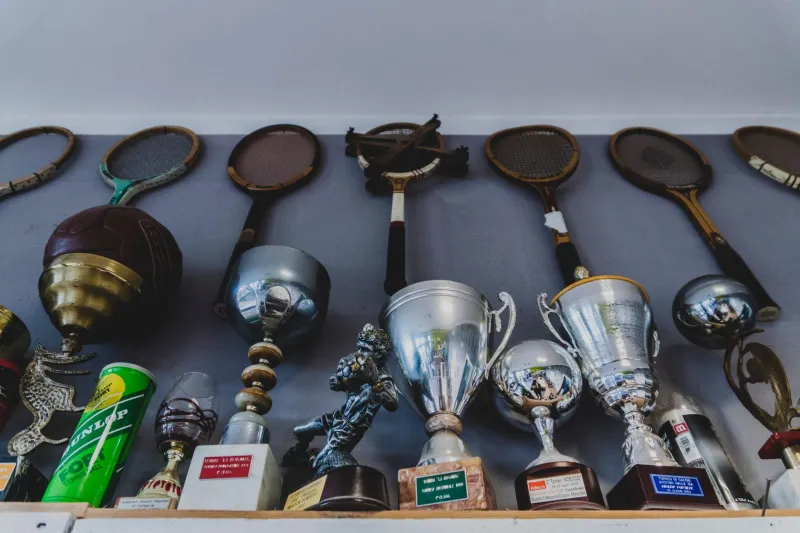
The Astrodome, Three Rivers Stadium, Candlestick Park, Pontiac Silverdome — each has its own devoted collector community, often organized through online forums and social media groups where members trade leads, share authentication tips, and post finds.
The common thread isn't just nostalgia. It's the knowledge that these items are genuinely finite. No more will ever be made. Every piece that gets lost to a garage cleanout or a flooded basement is gone for good.
What You Should Expect to Pay — and What's Worth It
Pricing in this corner of the market is inconsistent, which is both a challenge and an opportunity. Because there's no centralized pricing guide for a 1991 Minnesota North Stars arena-exclusive scarf, values are largely set by what motivated buyers and sellers can agree on.
General guidance for anyone looking to buy:
- Condition is everything. Stadium merchandise was often made cheaply and worn hard. Items in genuinely good condition command significant premiums over similar pieces that show heavy wear or fading.
- Provenance documentation adds real value. A seller who can show photos of the item at the venue, or who can trace it back to a specific event, is offering something worth paying more for.
- Rarity matters more than age. A limited promotional giveaway from 2002 might be worth more than a generic piece from 1978, simply because fewer of the newer item exist.
- Buy what you know. The collectors who consistently get good value are the ones who specialize. Pick two or three venues or eras and go deep rather than collecting broadly.
Finding These Pieces Through Resale Platforms
This is where a marketplace like Buy It Again Sports can genuinely come in handy. Stadium-specific gear doesn't usually surface at mainstream auction houses — it moves through secondary markets, estate sales, and peer-to-peer platforms where sellers often don't fully understand what they have.
That creates real opportunity for buyers who do their homework. Sellers listing items as "old sports stuff" or "vintage team gear" sometimes have exactly what a serious collector is looking for, priced well below what an informed buyer would recognize as fair market value.
If you're selling this type of merchandise, specificity is your friend. Don't just list a jersey as "vintage NHL." Name the venue, the season, the event if applicable. Describe the tags and manufacturer markings. Collectors in this space will find your listing precisely because of those details, and they'll pay accordingly.
A Community Worth Joining
One of the more underrated aspects of venue-gear collecting is the community around it. These are deeply knowledgeable fans who remember specific games, specific sections, specific smells from specific concourses. The conversations that happen around a piece of merchandise — tracking down what season a vendor started carrying a particular item, cross-referencing photos from old newspaper archives — are genuinely fascinating if you're wired for that kind of puzzle.
If you're just getting started, find a venue that matters to you personally. The gear connected to a place where you actually made memories will always be worth more to you than something purchased purely as an investment. And in a collecting category this personal, that emotional connection is usually what sustains interest over the long haul anyway.
The buildings are gone. The gear isn't — at least not yet. And for the people who know where to look, that gap between scarcity and discovery is exactly where the best finds still live.