Before the Draft: How to Spot — and Cash In On — Gear From the Next Big Thing
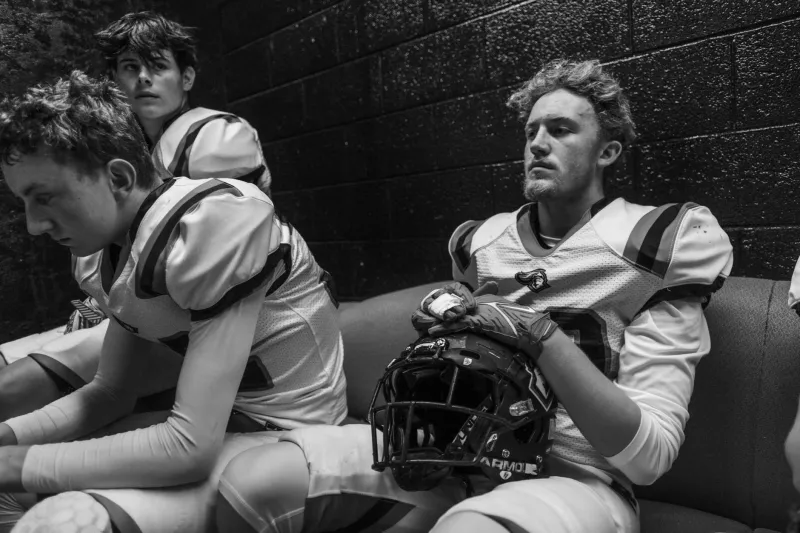
Nobody thinks about the cleats when the kid is still in high school. You're just trying to get through the season, keep up with growth spurts, and maybe find a decent pair of batting gloves that don't fall apart by May. But somewhere out there, a parent tossed a pair of worn-out football shoulder pads into a storage bin — and a decade later, that kid's jersey is hanging in an NFL locker room.
That's the story behind one of the quieter but fastest-growing corners of the sports memorabilia world: pre-fame equipment. Gear worn by athletes before they became household names. And the people who held onto it — sometimes by accident, sometimes by instinct — are finding out it's worth a whole lot more than they ever imagined.
Why Pre-Fame Gear Is Having a Moment
The memorabilia market has always chased stars. Game-worn jerseys, signed helmets, rookie cards — if a name is big enough, collectors will pay for anything connected to it. But there's a growing segment of buyers who are specifically hunting for the early stuff. The gear from before the fame, the endorsement deals, and the carefully managed public image.
Part of the appeal is authenticity. A cleat worn during a prospect's junior year of high school carries a rawness that a professionally authenticated game-worn jersey from year three of an NFL contract simply doesn't. It's a window into who an athlete was before the world figured out who they'd become.
Demand has grown alongside the rise of prospect culture. Draft coverage now starts years before athletes are eligible. High school football games are streamed nationally. College players have NIL deals and social media followings that rival mid-tier pros. Fans are invested in athletes earlier than ever, which means the market for early-career gear is developing earlier too.
The Authentication Problem — And Why It Actually Matters Here
Let's be real: authenticating pre-professional gear is genuinely hard. There's no PSA grading system for a high school catcher's mitt. No Fanatics hologram on a travel baseball helmet. The infrastructure that supports pro memorabilia authentication simply doesn't exist at the youth and college level.
That's both a challenge and an opportunity.
The challenge is obvious — provenance is everything. A pair of gloves allegedly worn by a top college quarterback is only worth what buyers believe about their origin. Without documentation, you're essentially asking someone to take your word for it.
The opportunity is that right now, before this market fully matures, the people with the strongest provenance — parents, coaches, teammates, local reporters who covered a prospect's rise — have a real advantage. If you were there, you can tell the story in a way no third-party authenticator ever could.
Here's what actually helps establish provenance on pre-pro gear:
- Photos and video. Game footage, sideline photos, even social media posts showing an athlete in a specific piece of equipment are gold. Screenshot everything. Date-stamp it if you can.
- Documentation from the program. Equipment lists, team rosters, even a note from a coach can add credibility.
- Chain of custody. Being able to explain exactly how the gear went from the athlete to you — and keeping that explanation consistent — matters enormously to serious buyers.
- The athlete's own acknowledgment. If a player is willing to sign or verify a piece of their old gear, that changes its value category entirely.
Pricing: The Prospect Premium
So how do you actually put a number on this stuff? It's less science than you'd hope, but there are some useful frameworks.
The biggest driver is how far the athlete has risen. A player who just got drafted in the fifth round and is fighting for a roster spot commands a fraction of what a first-round pick does. A college star who won a Heisman and went number one overall? That early gear is a completely different conversation.
Beyond draft position, consider:
- Sport popularity. NFL and NBA gear will always outperform niche sports. College football and basketball have the deepest collector bases.
- Regional intensity. A prospect from a football-obsessed state like Alabama, Texas, or Ohio will have a more passionate local collector market than someone from a less sports-saturated area.
- Career trajectory. Early gear from an athlete who just won a Super Bowl or MVP award will spike in value. Timing your sale around career milestones can make a significant difference.
- Condition and completeness. Worn and used is actually fine — it adds to the authenticity narrative. But falling apart with no identifying features is harder to sell. Sets (matching helmet, pads, and jersey from the same season) are worth more than individual pieces.
Start by researching what comparable signed or authenticated items from the same athlete are selling for on major platforms, then work backward. Pre-fame unsigned gear typically trades at a discount to authenticated pro gear, but that gap narrows fast when provenance is strong and the athlete's star is rising.
Real Situations, Real Payoffs
You don't have to look hard to find people who stumbled into this market. Parents who kept a college football player's practice jersey because they liked the number. Teammates who swapped gear as a memory. High school coaches who held onto equipment from a player they always knew was special.
The pattern tends to be the same: the gear sits in a closet or a storage unit for years, the athlete makes it big, and then someone mentions offhandedly that the old stuff might be worth something. A quick search online turns into a rabbit hole, and suddenly a bin of old equipment becomes a real financial asset.
The lesson isn't that you should be calculating about youth sports gear — that would take all the joy out of it. The lesson is that if you're already holding onto something because it meant something, it might be worth thinking about what it could mean to a collector too.
What to Do If You're Sitting on Prospect Gear Right Now
If you've got equipment from a player who's currently in college, in the draft conversation, or newly professional, here's a simple action plan:
- Document everything immediately. Write down what you have, when the athlete used it, and how you obtained it. The sooner you do this, the stronger your provenance story.
- Hold, don't rush. Pre-fame gear almost always appreciates with time and career success. Selling too early means leaving money on the table.
- Connect with the athlete if possible. A signature or a brief written acknowledgment from the player transforms the item. It doesn't have to be formal — even a text screenshot can help.
- List it in the right place. Platforms that specialize in sports memorabilia and resale — like right here at Buy It Again Sports — reach buyers who understand this market and will pay accordingly.
- Be patient with pricing. This isn't a liquid market. The right buyer at the right time will pay more than a quick sale to the first interested party.
The draft is always coming. Someone you've watched play in your local stadium or on a college field is on their way to a professional career right now. The gear they left behind is part of that story — and that story has value.
You just have to know what you're holding.