Play More, Spend Less: Outfit Yourself in 5 Sports for Under $200 Using Used Gear
New Sport, Old Budget? Here's the Play
Every year, millions of Americans decide to pick up a new sport. Maybe it's a New Year's resolution, a friend who won't stop talking about pickleball, or a doctor suggesting you find something active that doesn't feel like a chore. Whatever the trigger, the moment you start pricing out new gear is often the moment enthusiasm meets reality.
A new tennis racket: $80–$200. Cycling shoes alone: $120. A beginner golf set: $300–$500. The costs add up before you've hit a single ball, pedaled a single mile, or sunk a single putt.
Here's the thing though — you don't need new gear to play well. The secondhand sports market is full of equipment that's been lightly used, properly stored, and is ready to perform. We've built out five sport-specific budgets, each under $200, using the kind of gear you'll find right here on Buy It Again Sports. Let's get into it.
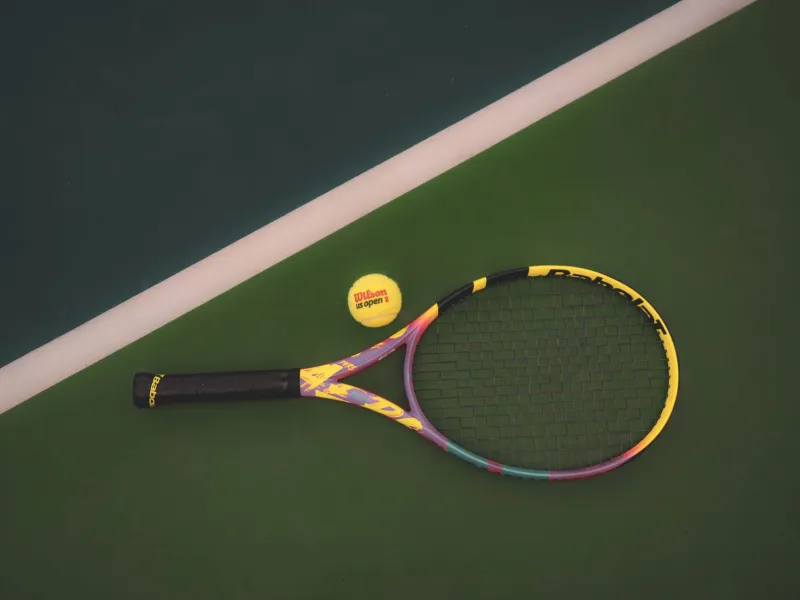
Tennis: Full Setup for ~$80–$120
Tennis is one of the most budget-friendly sports to get into used, because rackets hold up incredibly well over time and the market is flooded with quality options.
Racket ($25–$60): Look for mid-range frames from Wilson, Head, or Babolat in the used market. Models like the Wilson Clash 100 or Head Ti.S6 appear regularly at significant discounts. For a beginner, a racket in the $25–$40 range is more than adequate — you won't feel the difference between a $40 used racket and a $180 new one at this stage.
Shoes ($20–$40): Court shoes matter more than most beginners realize. They're built for lateral movement in ways that running shoes aren't. Look for used Nike Court or ASICS Gel-Resolution models — they show up often and last a long time.
Balls and bag ($10–$20): A used racket bag in decent shape is easy to find. Balls you'll want new — a can of three runs about $5.
Budget total: ~$80–$120. That leaves room for court fees or lessons.
Real reader tip: "I bought a used Wilson Blade racket for $35 and took it to a local stringer. For another $20 in new strings, I had a racket that my coach said was better than what most beginners use. Spent $55 total."
Cycling: Commuter or Weekend Rider Setup for ~$150–$200
Bikes are where the used market really shines. New entry-level road or hybrid bikes start at $400–$600 from reputable brands. Used? You can find solid options for $100–$150 if you know what to look for.
Bike ($100–$150): Target aluminum-frame hybrid or road bikes from brands like Trek, Giant, or Specialized. Avoid anything with a heavily rusted chain, bent derailleur, or cracked frame. A bike that needs new brake pads and a chain cleaning is fine — those are cheap fixes.
Helmet ($20–$35): Safety note: only buy a used helmet if it has no impact history and shows no cracks or compression damage. When in doubt, skip it and buy new — helmets are one category where $30 new beats any risk.
Lock ($15–$25): A decent U-lock used is fine. Check the mechanism works smoothly.
Budget total: ~$150–$200. You may need to budget $20–$30 for a basic tune-up at a local bike shop, which is still well under $200 total.
Real reader tip: "Found a Trek FX hybrid on Buy It Again Sports for $120. Took it to my local shop, they did a $25 tune-up, and I've been riding it to work three days a week for eight months."
Basketball: Court-Ready for ~$60–$100
Basketball is arguably the easiest sport to budget for, because your biggest expenses are shoes and a ball — and both hold up well in the used market.
Shoes ($30–$60): Basketball shoes are the most important piece of equipment you'll buy. Look for used Nike LeBron, Jordan, or Adidas Harden models in your size. The ankle support and cushioning in these shoes is significantly better than general athletic sneakers, and they appear regularly in the secondhand market at 40–60% off retail.
Ball ($10–$20): A used outdoor basketball in good condition is a perfectly fine place to start. Check that the grip panels aren't worn smooth and that it holds air properly.
Shorts and compression gear ($10–$20): Used athletic shorts and compression tights are easy finds and a low-stakes purchase.
Budget total: ~$60–$100. You'll have money left over for court fees or a rec center membership.
Real reader tip: "I got a pair of used Jordan 36s for $45. They were barely worn — someone bought them, decided they didn't like the fit, and listed them. Best basketball shoes I've ever had, and I paid less than I would for a new pair of budget shoes."
Soccer: Ready to Play for ~$80–$130
Soccer gear has a great secondhand market, particularly cleats, which players often replace seasonally even when the previous pair has significant life left.
Cleats ($25–$50): Nike Mercurial, Adidas Predator, and Puma Future cleats all show up regularly in the used market. Look for firm-ground (FG) cleats if you're playing on grass, or turf shoes (TF) for artificial surfaces. Check stud integrity and upper condition.
Shin guards ($10–$20): New or used, shin guards are inexpensive. Used is fine if they're structurally intact.
Ball ($15–$25): A used match ball in good condition is a solid buy. Look for Adidas or Nike balls — they're durable and hold shape well.
Jersey and shorts ($10–$20): Club jerseys and practice kits appear constantly in the used market, often barely worn.
Budget total: ~$80–$130. Easily leaves room for registration fees in a local adult league.
Real reader tip: "Joined an adult recreational league last spring. Bought everything used except shin guards. Spent $95 total including registration. Best decision I made all year."
Golf: Starter Bag and Clubs for ~$150–$200
Golf has a reputation for being expensive, and new gear absolutely earns that reputation. Used golf equipment, however, is one of the most active and well-priced secondhand markets in all of sports.
Half-set of irons ($60–$100): Beginners don't need 14 clubs. A half-set — typically a 5-iron through pitching wedge plus a putter and a driver — is plenty to learn the game. Look for Callaway, TaylorMade, or Cleveland sets from the early 2010s. They're forgiving, well-built, and readily available.
Driver ($20–$40): A used driver from a major brand five or six years old is still a high-performing club. Technology changes slowly in drivers, and the difference between a 2019 TaylorMade and a 2024 model is minimal for a beginner.
Bag ($15–$30): Stand bags and carry bags in good condition are common finds. Check that the straps are intact and zippers work.
Shoes ($15–$25): Golf shoes with soft spikes hold up well and appear often in the used market.
Budget total: ~$150–$200. You'll still need to cover green fees, but your equipment cost is done.
Real reader tip: "I always thought golf was out of my price range. Spent $180 on a used half-set, bag, and shoes. Took two lessons. Now I play twice a month and I'm completely hooked."
The Takeaway
The financial barrier to starting a new sport is real — but it's not as high as it looks when you factor in the used equipment market. Across all five of these sports, you can get properly outfitted for under $200, often significantly under, without compromising on quality or performance.
Buy It Again Sports exists precisely for this purpose: connecting people who have gear they no longer need with people who are ready to use it. Whether you're picking up a racket for the first time or getting back into a sport you played in high school, the gear you need is already out there. Someone else just finished using it.