Dust It Off: How to Grade and Price Your Old Sports Gear Like a Pro
That Garage Might Be Sitting on a Gold Mine
Most of us have at least one corner of the house — a garage shelf, a storage unit, the back of a closet — where old sports equipment goes to retire. A pair of inline skates from 2003. A lacrosse stick with a cracked shaft. Running shoes that saw maybe two 5Ks before life got in the way. Before you haul any of it to the curb, pump the brakes. The secondhand sports market in the US is booming, and collectors, budget-conscious athletes, and nostalgia hunters are actively searching for exactly what you've got.
The key to making real money — not just a few bucks at a yard sale — is knowing how to evaluate what you have. That means understanding grading standards, reading the market, and pricing with confidence. Here's how to do it.
Step One: Understand the Grading Scale
Professional resellers and sports memorabilia dealers use a fairly consistent grading framework. You don't need a certification to apply it, but you do need a critical eye and good lighting. Here's a simplified version of the scale used across most equipment categories:
Mint / Near Mint (9–10): Essentially unused or used so briefly there's no visible wear. Original packaging is a huge plus. Think a pair of vintage Nike Air Max sneakers still in the box, or a hockey stick with tape that's never touched ice.
Excellent (7–8): Light use, minimal scuffing, no structural issues. Functions exactly as intended. A baseball glove that's been broken in but shows no cracking or stitching problems fits here.
Good (5–6): Moderate wear that doesn't affect performance. Some cosmetic flaws — surface scratches, faded logos, worn grip tape — but the item is fully functional.
Fair (3–4): Heavy use, visible damage, or missing components. Still usable, but buyers should know what they're getting. Think cracked helmet padding or a bike frame with rust spots.
Poor (1–2): Parts only, display only, or for the dedicated DIYer. Structural damage, broken hardware, or safety concerns put gear in this range.
Be honest with yourself. Overgrading is the fastest way to earn bad reviews and slow your sales.
Step Two: Do a Thorough Condition Assessment
Grading works best when you're methodical. Before you write a single word in your listing, inspect the item from every angle.
For footwear (sneakers, cleats, skates): Check the outsole for wear patterns, inspect the midsole for compression, look inside for lining wear, and check laces, buckles, or blade holders depending on the type. Vintage running shoes from brands like New Balance, ASICS, or early Nike lines can command serious premiums if the foam hasn't deteriorated.
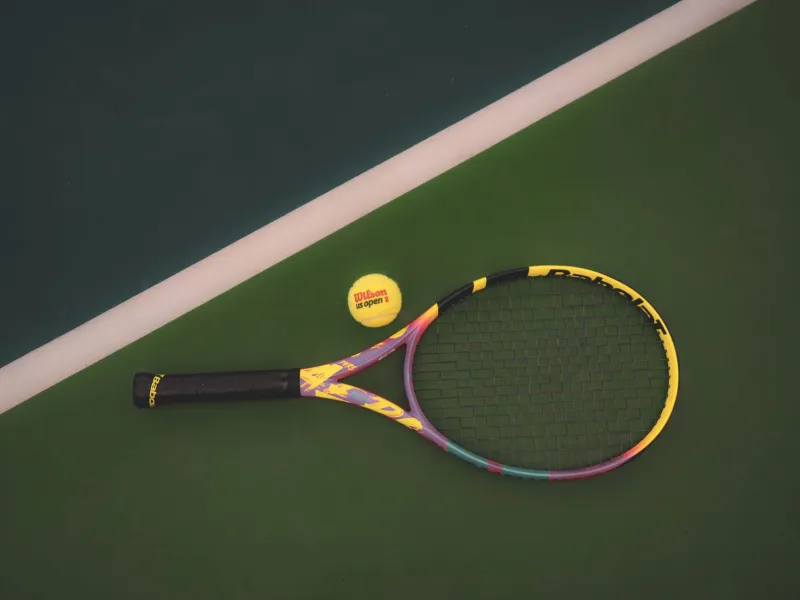
For rackets and sticks: Look for cracks, warping, and grip condition. On tennis rackets, check whether the strings are still intact and examine the frame throat for stress fractures. A racket with a cracked frame is a display piece, not a playable one.
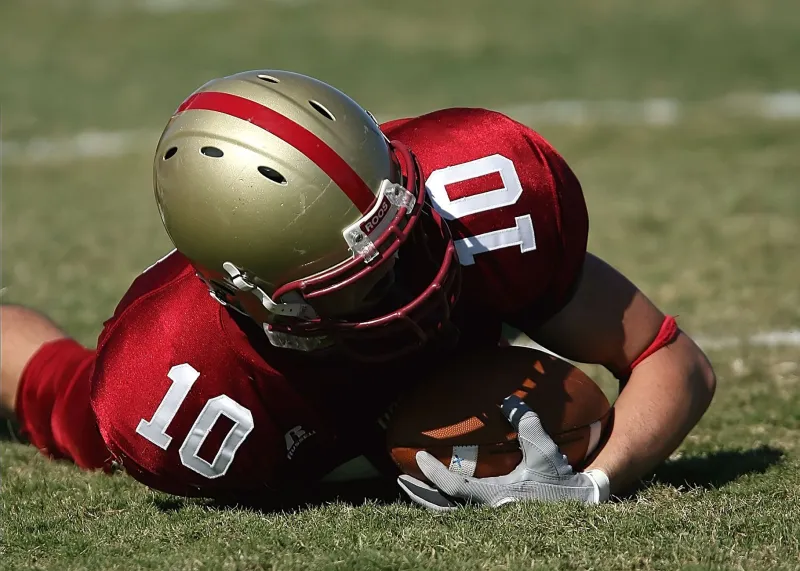
For protective gear (helmets, pads, gloves): Safety items require extra scrutiny. Helmets with impact history — even ones that look fine — should be disclosed honestly. Many buyers use old helmets for display or costume purposes, so they still sell, but transparency is non-negotiable.
For memorabilia (signed balls, jerseys, vintage programs): Authentication documentation dramatically affects value. If you have a signed jersey with a certificate of authenticity from PSA, JSA, or Beckett, that's a different ballgame than an unsigned item or one with a handwritten note from a relative.
Step Three: Research the Market Before You Price Anything
Pricing vintage sports gear without doing homework is like guessing at a grocery store — you'll probably get it wrong. Here's a practical research process:
Check completed sales, not active listings. On any resale platform, active listings tell you what people hope to get. Completed sales tell you what buyers actually paid. Filter for sold items and look at recent transactions — within the last 90 days is ideal.
Search by model and year when possible. "Vintage hockey skates" is a broad category. "Bauer Supreme 3000 hockey skates size 10" is a searchable product with a real price history. The more specific your search, the more useful your data.
Factor in rarity and demand. A retro pair of Air Jordan 1s from the mid-80s and a generic basketball shoe from the same era are not in the same market. Brand recognition, athlete association, and limited production runs all push prices up.
Consider regional demand. Hockey gear moves faster in Minnesota than in Miami. Golf equipment has a different rhythm in Arizona than in the Pacific Northwest. Listing on a national platform like Buy It Again Sports helps you reach the right buyer regardless of where you live.
Step Four: Write a Listing That Actually Sells
Grading and pricing are only half the battle. A great listing closes the deal.
- Use natural light for photos. Take shots from multiple angles, including close-ups of any flaws. Buyers appreciate transparency and it reduces return requests.
- Be specific in the title. Include brand, model, size, and condition. "Vintage Wilson Tennis Racket – Pro Staff 85 – Good Condition" beats "Old Tennis Racket" every single time.
- Describe wear honestly. Note every flaw, even minor ones. Buyers who feel surprised become unhappy buyers.
- Include measurements where relevant. Shoe sizes vary by brand and era. Frame sizes matter for bikes and rackets. Don't make buyers guess.
The Nostalgia Factor Is Real
Here's something worth understanding about the vintage sports gear market: a significant chunk of buyers aren't looking for the best-performing equipment. They're chasing a feeling. The hockey skates their dad wore. The baseball glove they had in Little League. The running shoes they remember seeing on their favorite athlete in 1994.
That emotional connection has real monetary value. If you're selling something with a clear era, lean into it. Mention the decade. Reference the cultural moment. Connect the gear to its time. That's not manipulation — it's storytelling, and good storytelling sells.
Start Somewhere
You don't need a warehouse inventory to get started. Pick three or four items from that garage pile, run them through this process, and list them on Buy It Again Sports. See what happens. Most first-time sellers are surprised — both by what sells quickly and by what buyers are willing to pay for gear they assumed was worthless.
The secondhand sports market rewards patience, honesty, and a little research. Start there, and the rest tends to follow.