Gear After the Game: How Athletes Are Turning Old Equipment Into Real Income
The Locker Room Pile That Pays
At the end of every season, athletic equipment accumulates in ways that are almost comical. Cleats in three different sizes because you switched brands mid-year. A backup stick that never saw ice time. A jersey from a team that changed its name. A signed baseball that's been sitting in a shoebox since 2019.
For most athletes, that stuff ends up in storage, donated to a local rec program, or quietly tossed. But a growing number of players — from minor leaguers to retired pros to college athletes navigating the post-NIL landscape — are recognizing something important: that pile has market value, and there are platforms built to help them access it.
Reselling game-worn gear and memorabilia isn't a new concept, but the infrastructure around it has matured significantly. Athletes today have more tools, more transparency, and more willing buyers than ever before.
Why Athletes Are Taking Resale Seriously
The economics are pretty simple. A game-worn jersey from a recognizable player — even one who played in a minor league or a lower-tier college program — can fetch anywhere from $50 to several hundred dollars depending on condition, provenance, and the buyer's connection to the team or player. Multiply that across a career's worth of equipment, and the numbers get interesting fast.
But it's not just about the money, though that matters. There's also a practical sustainability argument. Athletic equipment, particularly protective gear and footwear, has a significant environmental footprint. When gear stays in circulation — worn by another athlete, displayed by a collector, or repurposed by a DIY enthusiast — it stays out of landfills. That's a real benefit, and it's one that resonates with younger athletes who grew up thinking about sustainability in ways their predecessors didn't.
"I had four pairs of cleats at the end of last season that I was just going to toss," says Marcus, a former college soccer player who now coaches at the club level in the Southeast. "A friend told me to list them. I made almost $180 in two weeks. That's not life-changing, but it's a tank of gas and a nice dinner."
The NIL Effect on College Athletes
The NCAA's 2021 shift on Name, Image, and Likeness rules opened a door that's still swinging. College athletes can now monetize their personal brand in ways that were previously prohibited, and equipment resale falls squarely within that framework.
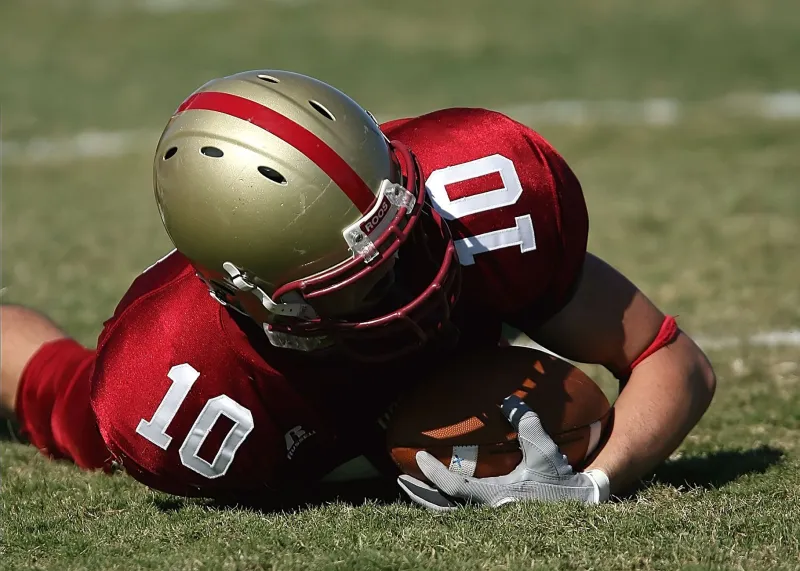
A college quarterback selling a signed helmet. A Division I swimmer moving last season's training gear. A track athlete listing worn spikes with a personal note and a photo. These transactions are happening, and they're legitimate income for athletes who are often working with limited budgets despite generating significant revenue for their programs.
The key for college athletes is documentation and transparency. Buyers in this space want to know the item is authentic. A photo of the athlete with the gear, a signed note of authenticity, or even a short video goes a long way toward building buyer confidence and justifying a premium price.
What Sells and What Doesn't
Not all gear is created equal in the resale market. Here's a realistic breakdown of what moves and what tends to sit:
High demand:
- Game-worn jerseys with verifiable provenance
- Signed balls, bats, gloves, and helmets
- Limited-edition or team-specific footwear
- Equipment tied to memorable seasons, championships, or milestone games
- Vintage gear from athletes with growing cult followings
Moderate demand:
- Practice-worn gear in good condition
- Backup equipment that saw minimal use
- Training gear from well-known programs
- Position-specific items with niche collector appeal
Slower movers:
- Generic equipment without a clear athletic connection
- Items in poor condition without a compelling story
- Gear from obscure programs with limited fan bases
The story behind an item often matters as much as the item itself. A worn batting glove from a player's first professional home run is a different product than a worn batting glove from a random Tuesday practice. Context creates value.
Building It Into a Habit, Not a One-Time Sale
The athletes who do this most successfully treat it as a regular practice, not a seasonal purge. They document gear throughout the season — photos, game notes, context — so that when it's time to list, they have everything they need to tell a compelling story.
Some have gotten creative. A former minor league pitcher in the Midwest photographs every pair of cleats he wears during the season, noting the date and the game. When he lists them at season's end, he includes that context in the listing. Buyers respond to that level of detail. It transforms a used cleat into a small piece of sports history.
"People don't just want the stuff," he explains. "They want the story that comes with it. Once I figured that out, everything started selling faster and for more."
The Environmental Angle Isn't Just Marketing
It's worth taking seriously the sustainability dimension here, because it's real. The athletic gear industry produces millions of pounds of equipment annually, and a substantial portion ends up in landfills. Cleats with synthetic uppers. Helmets with foam liners. Synthetic jerseys that don't biodegrade.
When athletes resell rather than discard, they extend the useful life of those materials. A baseball glove that gets a second owner gets another decade of use. A pair of skates that moves to a younger player avoids the waste stream entirely. At scale, that's a meaningful environmental contribution.
Platforms like Buy It Again Sports are built on exactly this premise — that gear has more than one useful life, and that connecting sellers with buyers is a better outcome than a dumpster.
Getting Started Is Easier Than It Sounds
For athletes curious about dipping into resale, the barrier to entry is low. You need a few decent photos, an honest description, fair pricing based on market research, and a platform that connects you with buyers who care about sports gear.
Start with the stuff that's easiest to document — items you remember clearly, gear tied to specific games or moments, equipment that's in good shape and ready for another athlete. Build from there.
The locker room pile doesn't have to be a problem. With a little effort, it can be a side hustle that pays for next season's gear — or just a way to pass something you loved on to someone who'll love it next.