Stop Throwing Money Away: How Smart Parents Cash In on Outgrown Youth Sports Gear
If you've got a kid in organized sports, you already know the drill. You spend a small fortune on a baseball glove in April, and by October it barely fits over three fingers. Ice skates that were brand new in November are collecting dust by February because your daughter's feet jumped a full size over winter break. Youth sports gear has a brutally short lifespan — not because it wears out, but because kids just don't stop growing.
Here's the thing most parents miss: that "useless" pile of equipment sitting in your garage or basement is actually worth real money to another family going through the exact same cycle. The resale market for gently-used youth sports gear is alive and thriving, and with a little know-how, you can turn that revolving door of equipment purchases into something that actually offsets your costs.
Let's break down how to do it right.
Know What Holds Value (and What Doesn't)
Not all youth gear is created equal when it comes to resale. The first thing to figure out is whether what you're selling is worth the effort.
High-value categories:
- Ice skates and roller hockey gear — These hold value exceptionally well because they're expensive new and kids outgrow them quickly, often with minimal wear on the blades or wheels.
- Baseball and softball gloves — A quality glove from Rawlings, Wilson, or Mizuno that's been broken in but not beat up can fetch 40–60% of its original price.
- Lacrosse equipment — Helmets, shoulder pads, and sticks from brands like STX or Warrior retain strong demand as the sport keeps growing across the US.
- Football pads and helmets — Certifications matter here (more on that below), but name-brand helmets from Riddell or Schutt in good condition are consistently in demand.
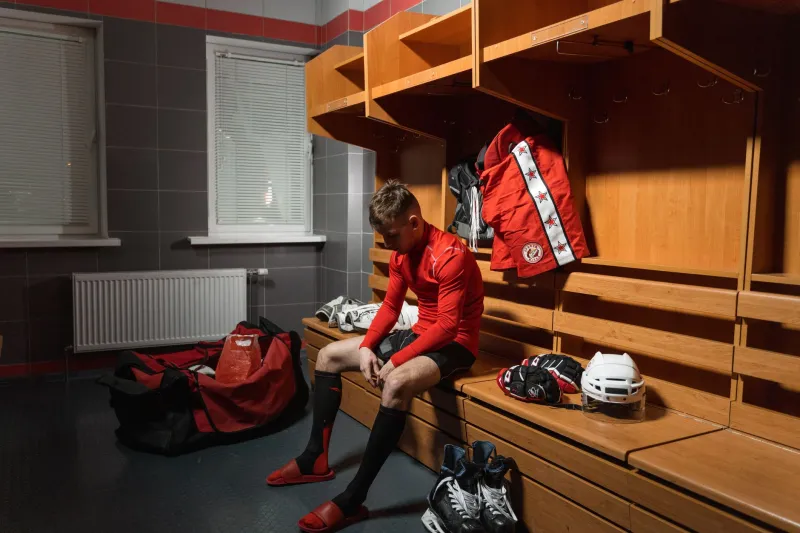
- Hockey sticks and gear — Youth hockey equipment is notoriously pricey new, so parents actively hunt for secondhand options.
Lower-value or harder-to-sell items:
- Cleats and athletic shoes (sizing is tricky and wear shows quickly)
- Generic or off-brand gear with no recognizable name
- Anything with significant cosmetic damage or missing parts
The general rule: the higher the original retail price, the better your resale odds — especially if the item was barely used.
Timing Is Everything
This is where a lot of parents leave money on the table. Selling a pair of youth hockey skates in July? You're going to wait a while and probably drop your price. List those same skates in late September or early October, right before hockey registration season kicks into gear, and you'll move them fast at a better price.
Match your listings to the sport's natural calendar:
- Baseball/softball gear — List in February and March before spring leagues start
- Football equipment — July and August, ahead of fall tryouts
- Soccer gear — Late summer for fall seasons, late winter for spring
- Hockey and ice skating — September through October
- Basketball — Late October before winter leagues begin
Selling one season ahead of demand is the sweet spot. You're not desperate, buyers are motivated, and the competition from other sellers is lower.
Condition Is Your Selling Superpower
Parents buying used gear for their kids are practical people. They're not looking for perfection, but they're also not going to pay decent money for something that looks like it was dragged behind a school bus. How you present your gear makes a massive difference.
Before you list anything:
- Clean it thoroughly. Wipe down hard surfaces, wash fabric components if the care label allows, and air everything out. Gear that smells like a locker room is a deal-killer.
- Photograph it honestly. Take pictures in good natural light. Show all angles, including any scuffs or wear. Buyers appreciate honesty, and it reduces the chance of disputes.
- Note the brand and size prominently. Parents searching for gear are almost always filtering by size first. Make it easy for them to find you.
- Include original packaging or accessories if you have them. A glove bag, a skate guard, or the original box adds perceived value.
Safety Certifications: The One Thing You Can't Skip
For contact sports equipment — football helmets especially — you need to be upfront about safety certification status. Helmets have a lifespan and must meet NOCSAE (National Operating Committee on Standards for Athletic Equipment) standards to be used in sanctioned youth leagues.
Check the certification sticker inside any helmet you're selling. If it's expired or missing, disclose that clearly in your listing. Some buyers will still purchase for practice use, but misrepresenting a helmet's safety status is both ethically wrong and potentially a liability issue. When in doubt, be transparent. Buyers will respect it.
Where to Sell
You've got solid options depending on how much effort you want to put in.
Buy It Again Sports is an obvious starting point for sports-specific gear — you're already in a community of buyers who know what they're looking for and are ready to buy. Listings land in front of sports-focused shoppers, not random browsers.
Facebook Marketplace is great for local, cash-in-hand transactions with zero shipping hassle. It works especially well for bulky items like hockey bags or football pads that are a pain to ship.
OfferUp and Craigslist follow a similar local model and are worth using in parallel.
eBay makes sense for higher-value items or niche gear where you want national reach — think a premium lacrosse helmet or a high-end catcher's set.
For most parents, a combination of Buy It Again Sports for the sports-savvy audience and Facebook Marketplace for local convenience covers the bases pretty well.
Bundle Strategically
One underused trick: bundle related items together. A full set of youth football pads — shoulder pads, hip pads, thigh pads — is more attractive to a parent than buying each piece separately. A complete catcher's kit? Even better. Bundles move faster, reduce your listing workload, and can sometimes command a slightly higher combined price than selling piece by piece.
That said, don't force awkward bundles. Grouping a baseball glove with a soccer shin guard just because they're both sitting in the same bin doesn't help anyone.
The Bottom Line
Kids outgrowing their gear isn't going to stop — that's just parenting. But letting perfectly good equipment rot in a storage closet when another family could use it (and pay you for it) doesn't make sense either. The used youth sports gear market is active, parents are motivated buyers, and quality secondhand equipment is genuinely in demand.
A little cleaning, honest photography, smart timing, and the right platform can turn your kid's old baseball glove or outgrown hockey skates into real cash — money that goes right back into funding whatever sport they're obsessed with next season. That's the cycle working for you instead of against you.